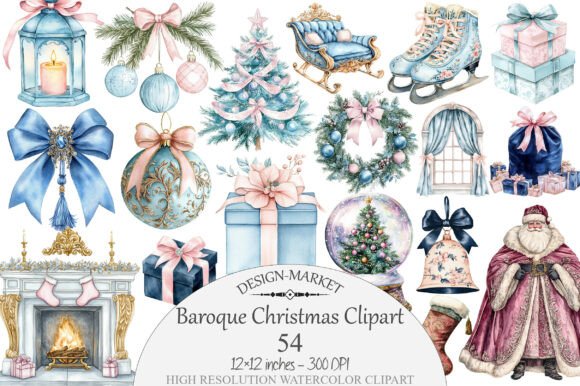
Watercolor Baroque Christmas Clipart Review
As a designer who has spent years translating digital art into tangible thread, I approach every new asset with a mix of excitement and skepticism. The holiday season brings a flood of options, but finding a machine embroidery design that balances artistic flair with stitchability is rare. Recently, I tested the Watercolor Baroque Christmas Clipart to see if it could survive the transition from screen to fabric. This isn't just about how it looks in a preview; it is about how it performs when you pull the hoop tight and hit the start button.
The First Impression: Art Meets Thread
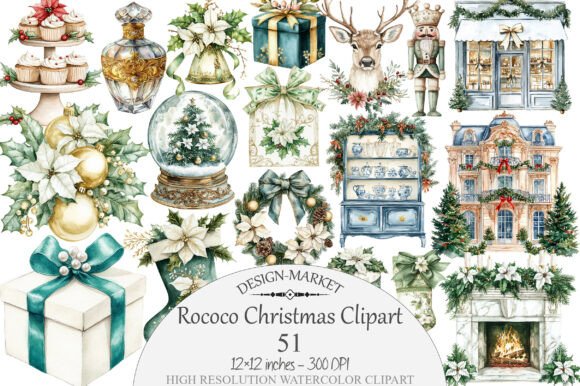
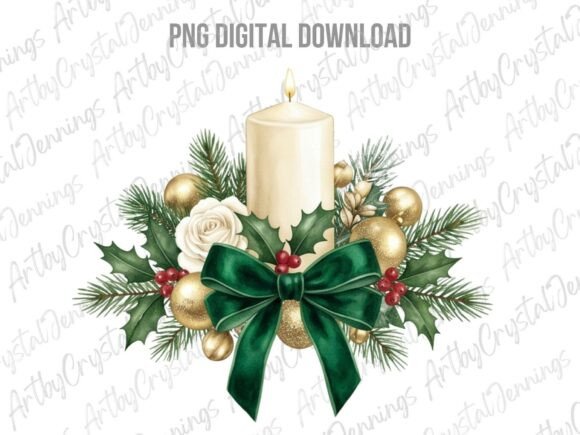
When I first opened the digital embroidery file, the mood was immediately clear. The Watercolor Baroque Christmas Clipart carries a sophisticated elegance that feels far removed from standard cartoonish holiday graphics. The blend of soft, bleeding watercolor textures against rigid, ornate baroque frames creates a striking contrast. In the realm of Illustrations, this style suggests luxury and nostalgia. However, for an embroiderer, the real question is whether those soft gradients can be replicated without looking muddy or pixelated once stitched.
The visual personality here is perfect for high-end handmade products. It screams boutique quality rather than mass-produced novelty. If you are an Etsy seller or run a small shop looking to elevate your brand consistency, this design offers a unique selling point. It moves away from the generic red-and-green tropes and introduces a palette that feels curated and intentional. The layout is balanced, offering negative space that is crucial for successful stitching on varied surfaces.
Real-World Application: From Tote Bags to Sweatshirts
To truly judge the utility of Watercolor Baroque Christmas Clipart, I imagined a specific project: a custom embroidered tote bag for a local boutique's holiday collection. The goal was to create a reusable shopping bag that felt like a gift in itself. When I visualized the design on canvas, the intricate baroque details provided enough structure to anchor the softer watercolor elements. The fill stitch areas would need careful management to mimic the fluidity of paint, while the frame could utilize a crisp satin stitch to define the edges.
This versatility makes it an excellent candidate for custom apparel as well. Imagine this design centered on a heavy-weight sweatshirt. The density of the fabric would support the detail level required by the clipart, ensuring the stitch density doesn't pucker the material. For baby embroidery, such as a personalized onesie or a nursery pillow cover, the soft aesthetic of the watercolor effect translates beautifully, offering a gentle, festive look that parents love. Unlike harsh, solid geometric patterns, this design feels organic and welcoming, making it ideal for personalized gifts where emotional connection matters.
I also considered its use in embroidered patches. The strong outline of the baroque frame provides a natural border, which is essential for patch production. Whether attached to a denim jacket or sewn onto a cap, the design holds its own. For holiday embroidery projects like kitchen towels or aprons, the whimsical yet refined nature of the clipart adds a touch of class to everyday items. It transforms a simple tea towel into a piece of home decor that customers will want to display prominently.
Navigating Challenges: Where Caution is Key
Despite its beauty, the Watercolor Baroque Christmas Clipart is not a "set it and forget it" design. There are specific scenarios where you must exercise caution. First, consider the hoop size. The intricate details within the baroque frame demand sufficient room to breathe. Attempting to shrink this design to fit a tiny 4x4 hoop will likely result in lost details and potential registration issues between the thread colors.
Fabric choice is equally critical. On thin or stretchy fabrics like jersey knit, the dense areas of the design could cause significant puckering. You would need a heavy-duty stabilizer and potentially a tear-away backing to manage the tension. Similarly, on textured fabrics like linen or boucle, the fine lines of the watercolor effect might get lost in the weave. The design shines best on smooth, medium-to-heavy weight materials where the stitches can lie flat and distinct.
Dark fabrics present another challenge. The watercolor effect relies on lightness and blending. Stitching this directly onto black or navy fabric without adjusting the color palette or using a backing layer could make the design appear muddy. You might need to add a white underlay or choose a different version of the embroidery file specifically optimized for dark backgrounds. Additionally, avoid placing this design on curved surfaces like caps unless you are experienced with digitizing adjustments, as the straight lines of the baroque frame may distort awkwardly around the curve.
Practical Designer Notes for Success
Before committing to a full production run of small shop product items, always test the design on scrap fabric first. This allows you to check the stitch density and ensure the running stitch details hold up under magnification. Review the thread colors carefully; sometimes a slight shift in hue can make the watercolor illusion pop or fade completely.
For those creating printable mockups to sell the design digitally or showcase finished goods, ensure your previews accurately represent the texture of the embroidery. A flat image does not convey the dimension that thread adds. Test the design in black and white mockups to verify that the contrast remains effective even without color. Finally, confirm the licensing terms before selling any finished product. As a professional, you must know if you are allowed to sell items made with this commercial embroidery asset or if there are restrictions on the number of units you can produce.
Ultimately, Watercolor Baroque Christmas Clipart is a powerful tool for creative entrepreneurs who understand the nuances of their craft. It elevates the perceived value of a handmade product and builds customer trust through attention to detail. By respecting the limitations of the medium and preparing thoroughly, you can turn this digital illustration into a stunning, profitable reality.