Christmas Tree Teddy Bear: A Designer's Review
As a designer who has spent years navigating the delicate balance between digital files and physical thread, I approach every new machine embroidery design with a critical eye. The market is flooded with generic holiday motifs, but finding a piece that translates well from screen to fabric requires careful scrutiny. Today, I am evaluating the Christmas Tree Teddy Bear, an illustration-style design that promises charm for the season. My goal here is not just to describe what it looks like, but to determine if it holds up under the pressure of real-world production for your craft business or personal projects.
First Impressions: Mood and Visual Personality
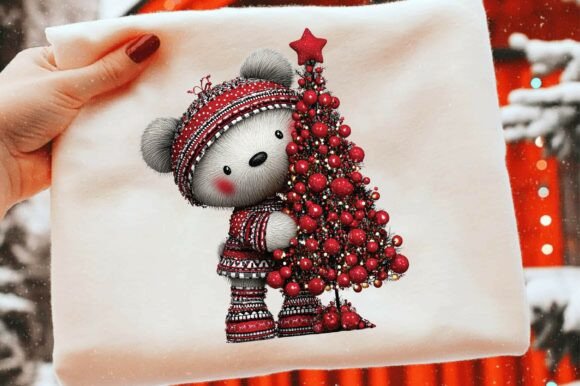
When you first load the embroidery file for Christmas Tree Teddy Bear into your digitizing software, the immediate impression is one of nostalgic warmth. Unlike hyper-realistic designs that can sometimes look cluttered when stitched, this illustration leans into a stylized, friendly aesthetic. The bear, adorned as a festive tree, creates a focal point that is instantly recognizable without being overwhelming. The layout feels balanced, suggesting that the negative space will be managed well during stitching, which is crucial for maintaining clarity on smaller items.
The visual personality of this design screams "cozy." It evokes the feeling of a handmade card or a boutique gift tag rather than a mass-produced decoration. For an Etsy seller or someone running a small shop product line, this kind of character-driven art is gold. It tells a story before the customer even touches the item. However, the success of this design relies heavily on how well the digitizer has handled the transition from vector lines to actual thread. The curves of the bear's limbs and the triangular shape of the tree require smooth transitions in the fill stitch to avoid jagged edges or puckering.
Real-World Application: From Hoop to Product
Let's move beyond the screen and imagine a real scenario. Picture yourself preparing a batch of custom embroidered tote bags for a holiday craft fair. You want something that stands out on a crowded table. The tote bag design potential of Christmas Tree Teddy Bear is significant. Because the illustration is self-contained and relatively compact, it works beautifully centered on a canvas bag. The sturdy nature of canvas allows the stitch density to sit flat without sinking into the weave, ensuring the details of the ornaments and the bear's face remain crisp.
I also see immense potential for sweatshirt embroidery. Imagine placing this design on the chest of a cream-colored fleece hoodie. The soft texture of the fleece complements the whimsical nature of the bear. In this context, the design becomes a statement piece for custom apparel. Customers looking for unique holiday embroidery often seek items that feel personal rather than corporate. This design bridges that gap perfectly. It is equally at home on a pillow cover for nursery decor or as a charming accent on a kitchen towel, adding a touch of seasonal cheer to everyday items.
For those creating personalized gifts, the versatility is key. Whether you are making a handmade product for a friend's baby shower or a baby embroidery project for a client, the gentle theme fits seamlessly. It avoids the loud, chaotic energy of some holiday graphics, opting instead for a softer, more enduring appeal. If you are planning to sell these as finished goods, consider how the design scales. Does it lose its charm when reduced for a cap? Or does it pop when enlarged for a blanket? The answer lies in testing, which brings us to the technical considerations.
Navigating Fabric Challenges and Placement
While Christmas Tree Teddy Bear is versatile, it is not immune to the pitfalls of embroidery on difficult substrates. When working with textured fabrics like heavy wool or ribbed knits, you must be cautious. The intricate details of the bear's face and the small ornaments could get lost in the fabric's weave. In such cases, using a high-quality stabilizer is non-negotiable. Without it, the design may pucker, distorting the cute proportions of the bear.
Similarly, dark fabric presents a specific challenge. If you plan to embroider this on a navy or black sweatshirt, ensure the thread colors provide sufficient contrast. Light pastels might disappear against a dark background, ruining the visual impact. Always test a printable mockup or stitch a sample on scrap fabric first. Check whether the running stitch outlines hold their definition or if they blend too much with the base material.
Another area requiring attention is curved surfaces, such as caps or hats. The rigid structure of a cap panel can cause tension issues if the hoop size isn't adjusted correctly. The top of the tree might stretch slightly, altering the symmetry. For embroidered patches, this design is excellent because the backing stabilizes the stitches completely. However, if you are doing direct application on a thin t-shirt, the density of the fill stitches might make the fabric stiff. Always check the weight of the garment against the density of the design.
Strategic Notes for Designers and Business Owners
If you are considering Christmas Tree Teddy Bear for your commercial embroidery assets, there are several practical steps to take before committing to a full production run. First, verify the licensing terms. Many digital embroidery files have restrictions on selling finished products versus selling the file itself. Ensure you have the right to use this design for your craft business merchandise.
Second, conduct a thorough color audit. While the default palette might work for a standard red and green scheme, think about your brand consistency. Can you swap the thread colors to match your shop's signature hues? This flexibility increases the design's value as a design asset. Third, inspect the small details. Zoom in on the eyes and the tiny ornaments. Are they defined by satin stitch or fill? Satin stitch offers a glossy finish but can break if the stitches are too long on certain fabrics. Fill stitch provides coverage but needs enough density to prevent show-through.
Finally, remember that customer trust is built on quality. A poorly executed finished product can damage your reputation faster than a great one builds it. By taking the time to test the design on different materials, checking the stitch count relative to your machine's capabilities, and ensuring the final result matches your vision, you guarantee professionalism. The Illustrations category is broad, but designs like Christmas Tree Teddy Bear stand out when executed with care.
In conclusion, this design offers a delightful opportunity for makers to create memorable holiday items. It balances cuteness with practicality, provided you respect the limitations of your materials and machines. Whether you are a hobbyist stitching a single gift or a business owner scaling up for the season, Christmas Tree Teddy Bear has the potential to be a standout addition to your portfolio. Just remember: always test, always stabilize, and always prioritize the end-user experience.